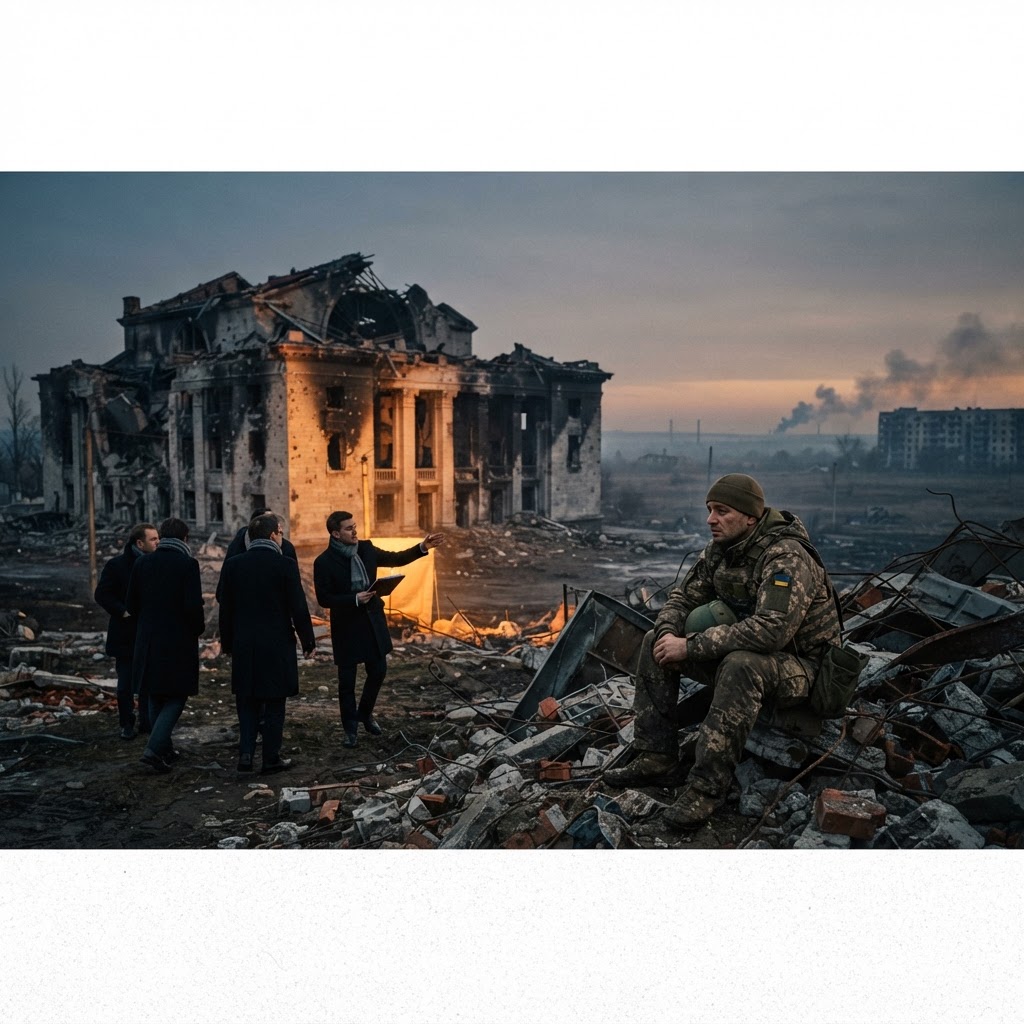
Frontline Attrition and High-Stakes Diplomacy: The Structural Costs of the Ukraine-Russia Stalemate
As Russian forces intensify operations across critical sectors like Pokrovsk, US-brokered diplomatic missions bring Moscow and Kyiv back into high-level contact. From a structural economic perspective, the prolonged war of attrition continues to distort global commodity supply chains, deepening external vulnerabilities across developing markets.
A systemic view of the war between Ukraine and Russia reveals a conflict defined by grinding physical destruction on the frontlines and brittle diplomatic posturing abroad. Recent battlefield developments highlight intense operational clashes, with Ukrainian defense monitors reporting sustained combat and heavy engagements concentrated around the strategic Pokrovsk sector. At the same time, air defenses remain strained by regular saturation attacks across key industrial zones.
In parallel to these military engagements, diplomatic avenues have resurfaced under direct mediation from Washington. Following tense and inconclusive multilateral sessions earlier this year in Geneva, envoys including Steve Witkoff and Jared Kushner have conducted direct shuttle diplomacy between Moscow and Kyiv to table concrete settlement proposals, as covered by Yeni Şafak. In response to these discussions, Ukrainian President Volodymyr Zelenskyy signaled an openness to calibrated pauses in municipal airstrikes during negotiation windows, though the core territorial disputes and broader security architecture remain bitterly contested.
The Anatomy of an Economic Shock
For economists examining core-periphery dynamics, this war cannot be treated as a localized European dispute. Modern conflict of this scale functions as an aggressive macroeconomic shock. The devastation of Ukraine's primary productive capacity—with its gross domestic product plunging upwards of 30% during the initial phase of the invasion—dismantled vital agricultural corridors and logistics infrastructure, according to findings from the Economics Observatory.
Concurrently, Western sanctions and Russia’s reconfiguration of export flows have restructured global trade routes. Russia has increasingly directed primary commodities toward alternative markets, while its domestic state expenditures pivot heavily toward defense manufacturing. For developing economies, including those across Africa and import-dependent states in the Eastern Mediterranean, this prolonged industrial attrition has cemented structural headwinds: volatility in grain imports, heightened logistical and shipping insurance premiums, and systemic inflation that drains foreign exchange reserves.
Beyond Diplomatic Posturing
While shuttle diplomacy captures headlines, structural realities will dictate the durability of any armistice. A lasting settlement requires resolving deep-seated asymmetries: Ukraine demands sovereign integrity and long-term security guarantees, whereas Moscow insists on geopolitical non-alignment and recognition of current frontlines.
Unless external peace initiatives address fundamental economic stabilization—including maritime transit guarantees and the restoration of key commodity pipelines—temporary ceasefires will do little to reverse the structural scars inflicted on global trade and peripheral import balances.
Verification Report
Peer ReviewedVerification Notes:[Peer-reviewed by Political Analyst] I confirm the article’s core economic and battlefield claims are largely supported: Ukraine suffered a ~30% GDP contraction in the invasion’s first year (World Bank/IMF reporting echoed by the Economics Observatory) and sustained heavy fighting in Donetsk-area sectors such as Pokrovsk is well-documented. However, the piece overstates the diplomatic reporting: public evidence does not support that Jared Kushner and Steve Witkoff acted as official U.S. envoys carrying concrete U.S. settlement proposals — reporting on private trips exists but is speculative and sourced to outlets with potential bias. The claim that Zelensky formally offered a halt to strikes on Russian cities is not credibly substantiated and appears to mischaracterize ceasefire-related reporting. | Original score: 60% → Peer score: 68% → Final: 64%
Sources & References
Discussion
Be the first to comment on this story.