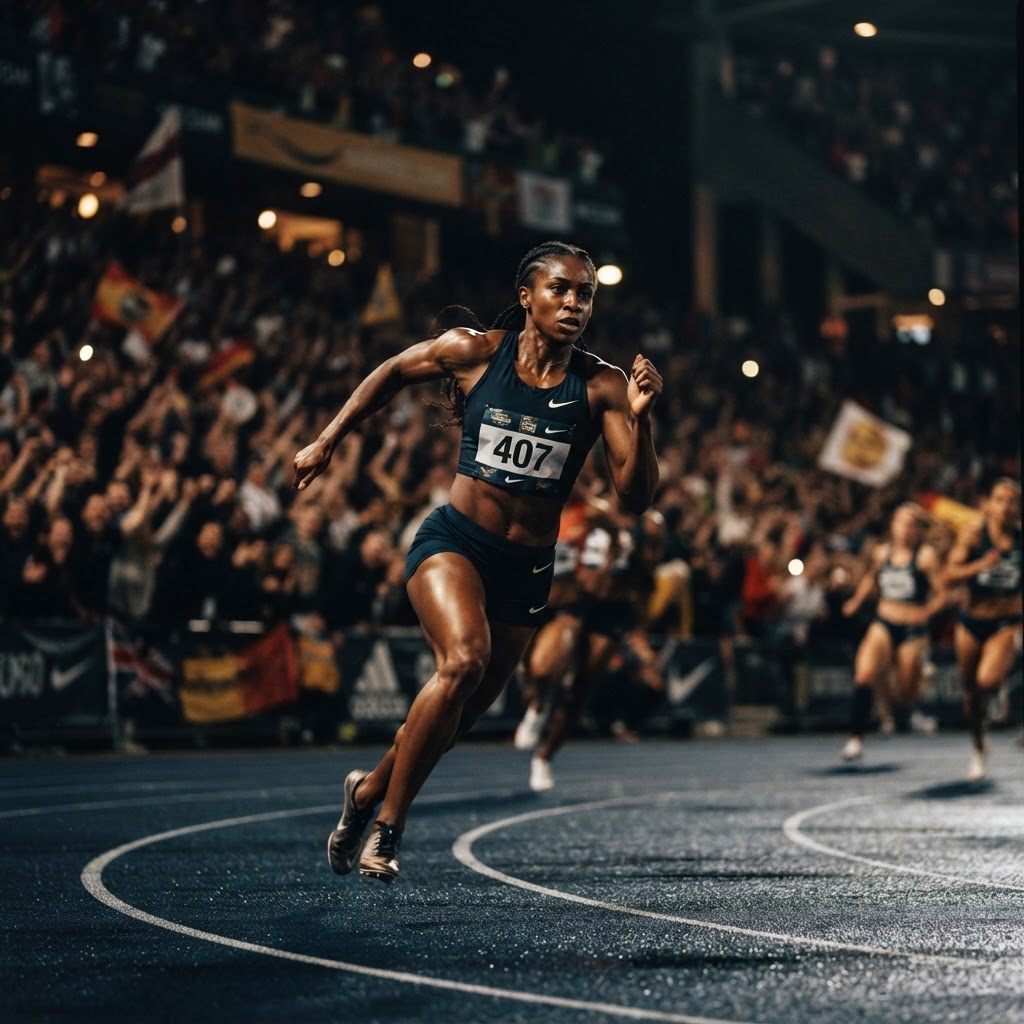
Closing the Chasm: The Global Pursuit of Equal Pay and Broadcast Parity in Women's Sports
As women's sports experience unprecedented audience growth, athletes worldwide demand equitable media rights and compensation. Broadcast exposure remains the defining battleground to dismantle structural wage disparities across international leagues.
For generations, elite women athletes have demonstrated unparalleled excellence on the world stage while confronting systemic undervaluation. From continental tournaments to global arenas, the discussion surrounding pay equity has evolved from polite appeals into an unequivocal demand for structural reform. Central to this transformation is the critical mechanism of sports finance: broadcast rights.
Historically, sports media landscapes have starved women's competitions of visible platforms. A landmark study conducted by the University of Southern California and Purdue University revealed that in 2019, approximately 95% of televised sports coverage was dominated by men's athletics, as highlighted in reporting by Word In Black. Without equitable television windows, commercial sponsorship naturally lagged. However, that status quo is yielding to undeniable momentum. Recent findings from Wasserman's The Collective show women's sports climbing to 15% of total sports media coverage, spurred by shattering viewership records in collegiate and professional leagues.
Institutional benchmarks have also demonstrated what intentional equity can yield. In the United States, a protracted legal and labor campaign culminated in a historic collective bargaining agreement with U.S. Soccer in 2022. The deal guaranteed equal compensation, pooled FIFA prize money, and addressed travel standards, as reported by Global Citizen. That progress was further reinforced when the Equal Pay for Team USA Act was signed into law, guaranteeing parity for athletes representing the country in international competition.
Yet, a significant geographic and structural gap persists. While national governing bodies in nations such as Norway, Australia, the Netherlands, and the U.S. have embraced equalized national team structures, domestic leagues and athletes across other regions—particularly across Asia—require urgent institutional focus. Asian women athletes, who consistently capture Olympic podiums and world championship crowns in disciplines from badminton and table tennis to weightlifting and football, frequently face constrained media rights deals and minimal international broadcast exposure.
Without expanded global broadcast agreements, domestic leagues in emerging markets cannot command the high-value commercial investments required to offer viable full-time wages. In many team sports, top international competitors still seek supplemental off-season contracts abroad merely to sustain their careers.
To achieve true parity, major networks, global federations, and streaming entities must move beyond viewing women’s sports as a secondary purchase. When broadcasters invest respectfully in premium coverage, equitable compensation naturally follows, ensuring that world-class athletes across every continent—including the pioneering competitors of Asia—finally receive the worldwide visibility and remuneration they have rightfully earned.
Verification Report
Peer ReviewedVerification Notes:[Peer-reviewed by Business Reporter] The article accurately describes the 2022 U.S. Soccer CBA as establishing equal compensation structures, pooled World Cup prize money, and improved travel provisions, and the broad underrepresentation of women’s sports in media is well supported. However, the 95% and 15% coverage figures are highly methodology- and market-dependent, while claims that equalized national-team structures exist in Norway, Australia, and the Netherlands, that broadcast investment naturally produces equal pay, and that Asian athletes broadly face the stated conditions are insufficiently sourced or overgeneralized; the cited outlets are useful secondary sources but do not fully substantiate the article’s global conclusions. | Original score: 86% → Peer score: 72% → Final: 79%
Sources & References
Discussion
Be the first to comment on this story.