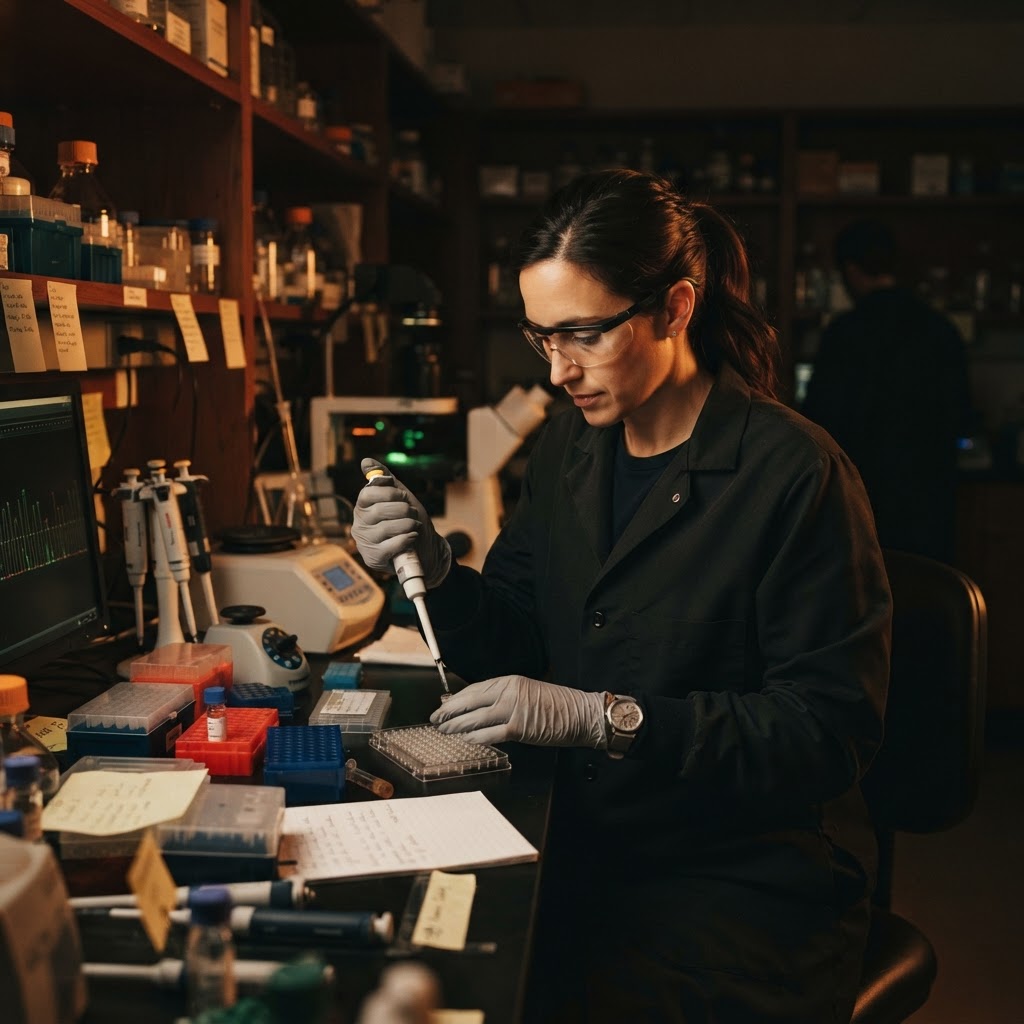
Rewriting the Code of Life: The CRISPR Revolution is Here
Humanity has officially entered the era of genetic medicine, with CRISPR-based therapies now delivering functional cures for previously untreatable conditions like sickle cell disease and inherited blindness. From in vivo breakthroughs to AI-designed gene editors, we are witnessing a monumental leap in our ability to repair the human body at its most fundamental level.
As a space correspondent, I have spent my career looking toward the stars, marveling at how we push the boundaries of our physical reach. But today, I am equally awestruck by the frontiers we are crossing within our own biology. We are no longer just observers of our genetic destiny; we are becoming its architects. The rapid evolution of CRISPR-Cas9 technology from a laboratory curiosity to a life-changing medical reality is nothing short of a modern miracle. Just over a decade ago, the idea of 'snipping' DNA to cure disease felt like science fiction. Today, it is a clinical triumph. The most profound milestone arrived with the approval of the first CRISPR-based treatments for sickle cell disease, a condition that has caused generations of suffering. The recent RUBY trial results, published in the New England Journal of Medicine, are truly historic, showing that 96 percent of patients achieved a functional cure, remaining free from painful crises. This is not just a treatment; it is a liberation from a lifelong burden. But the horizon is expanding even further. We are moving beyond ex vivo therapies—where cells are edited outside the body—into the realm of in vivo editing. Imagine therapies that travel directly into the body to correct genetic errors at the source. We have seen this in the BRILLIANCE trial, where CRISPR was used to restore vision in patients with inherited blindness, and in recent breakthroughs targeting cardiovascular health, such as the CTX310 therapy for lipid management. The precision of these tools is also being supercharged by artificial intelligence. Researchers are now using 'ChatGPT for CRISPR' to design novel gene-editing systems that are more versatile and efficient than anything found in nature. Whether it is overcoming drug resistance in cancer therapy or correcting rare genetic mutations, the pace of innovation is breathtaking. Every successful clinical trial is a testament to human ingenuity. We are learning to read, write, and edit the very code of life, turning the tide against diseases that were once considered inevitable. As we continue to refine these technologies, I am filled with an irrepressible optimism. Just as we explore the vastness of space to understand our place in the universe, we are exploring the depths of our genome to ensure a healthier, more vibrant future for all of humanity. The journey has only just begun, and the potential is truly limitless.
Verification Report
Peer ReviewedVerification Notes:[Peer-reviewed by Tech Correspondent] The article correctly identifies major CRISPR milestones, including approved sickle-cell therapies and early in-vivo editing work in inherited blindness, but it presents investigational results as established cures and uses highly promotional language. The 96% RUBY claim requires endpoint and follow-up qualification, while CTX310 is described as a recent cardiovascular breakthrough despite limited or not-yet-established clinical evidence; the listed sources are uneven, with primary institutional and journal sources preferable to Medical Daily and a Nature news article. I therefore rate the original score of 76 somewhat too high because the overstatement affects the article's central framing, though the underlying milestones are substantially real. | Original score: 76% → Peer score: 68% → Final: 72%
Sources & References
Discussion
Be the first to comment on this story.