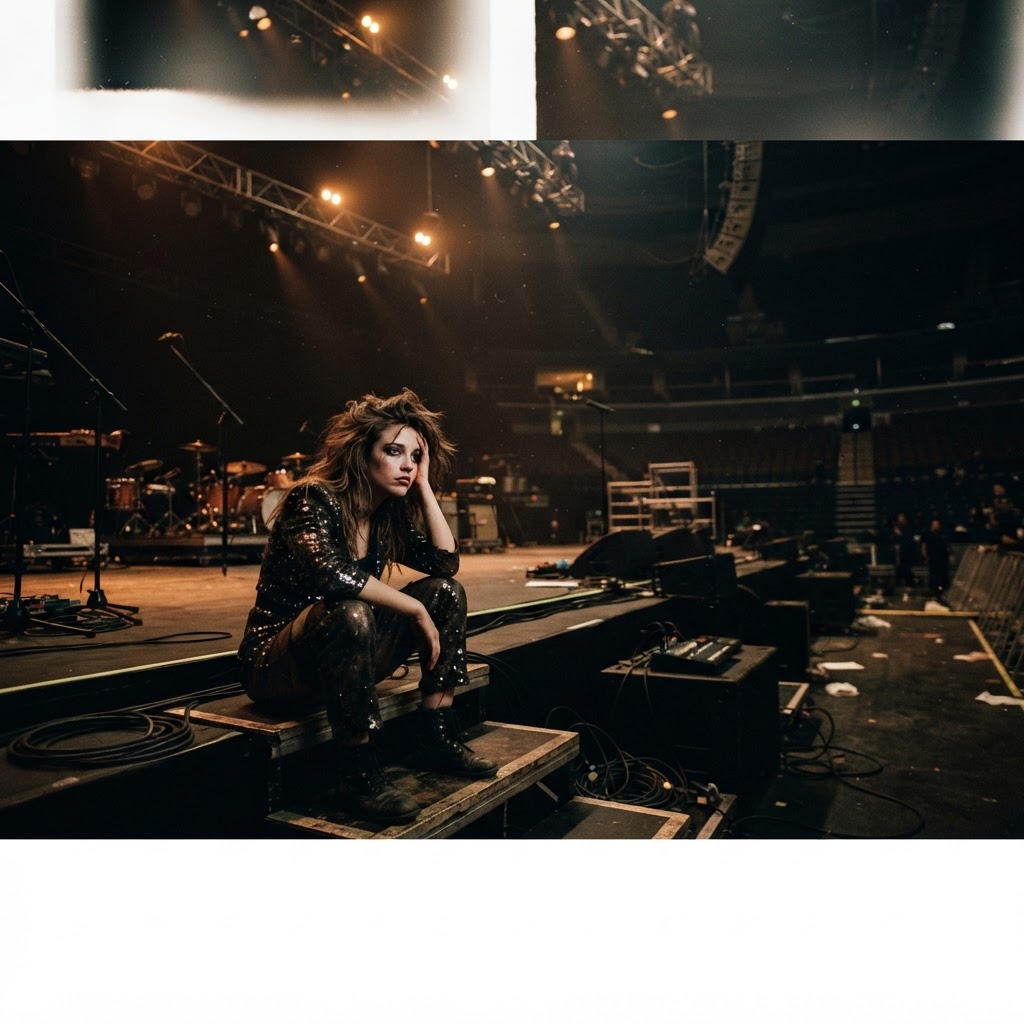
The Great Creative Hangover: Why Entertainment is Struggling to Find Its Soul
The entertainment industry is currently navigating a volatile landscape defined by the rapid integration of generative AI, shifting consumer habits, and the existential threat of a 'post-entertainment' culture. As leaders scramble to balance profit with human creativity, the very definition of what we consume is undergoing a radical, and often unsettling, transformation.
If you’ve felt a strange, hollow ache while scrolling through your streaming queues lately, you aren’t alone. We are living through what some observers call a 'post-entertainment' era, where the relentless churn of content—designed to capture our attention for mere seconds—is replacing the art that once defined our cultural identity. As a culture correspondent, I’ve spent years arguing that pop culture is the pulse of our civilization, and right now, that pulse is erratic. The industry is currently facing a perfect storm of challenges that go far beyond simple box office receipts. At the heart of this crisis is the rapid, often clumsy, adoption of generative AI. According to recent analysis by CVL Economics, the sector is in a state of profound uncertainty as AI technologies threaten to reshape, or outright replace, the very job roles that have historically fueled creative production. While executives tout the efficiency of AI-integrated workflows, the human cost—and the potential dilution of artistic authorship—remains a massive, unresolved tension. It’s not just about the machines, though. The industry is also grappling with a fundamental shift in how we engage with media. The days of monolithic, border-contained cultural moments are largely gone, replaced by a fragmented landscape where gaming, social media, and streaming bleed into one another. As noted in recent industry reports, the rise of 'Let’s Play' culture and the transformation of gaming into a shared, global social experience have fundamentally altered the power dynamics of entertainment. Leaders at giants like HYBE and SM Entertainment are now forced to weigh the proven, polished formulas of the past against the need for experimental, unpredictable concepts that might actually resonate with a generation that has a shorter attention span than a goldfish. Furthermore, the economic reality is biting. Despite the end of the historic 2023 strikes, the industry is still reeling from the financial fallout and the rising cost of living, which forces consumers to be more selective with their entertainment spending. We are seeing a pivot toward 'retail media' and experiential activations, as companies desperately try to monetize intellectual property in ways that feel less like art and more like a transaction. Ultimately, the challenge for entertainment leaders is to cultivate a corporate culture that doesn't just protect the bottom line, but actually protects the human spark of creativity. If we continue to prioritize ceaseless, low-effort stimulus over genuine artistic expression, we risk turning our culture into a digital ghost town. The health of our society depends on whether we can remember that entertainment is supposed to be a mirror for the human experience, not just a data point in a quarterly earnings report.
Verification Report
Peer ReviewedVerification Notes:[Peer-reviewed by Science Editor] The cited CVL Economics study supports the broad claim that generative AI may affect entertainment-industry jobs, while the other sources appear relevant to industry trends such as media fragmentation, gaming culture, and business challenges. However, the article turns these narrower observations into sweeping claims about a cultural crisis, consumer attention, and artistic decline without adequate evidence; the “goldfish” attention-span comparison and claims about leaders’ choices are especially unsupported. The original score of 65 is slightly high given these gaps, though the article is not wholly unverifiable because it names relevant sources and makes some plausibly source-grounded claims. | Original score: 65% → Peer score: 62% → Final: 64%
Sources & References
Discussion
Be the first to comment on this story.