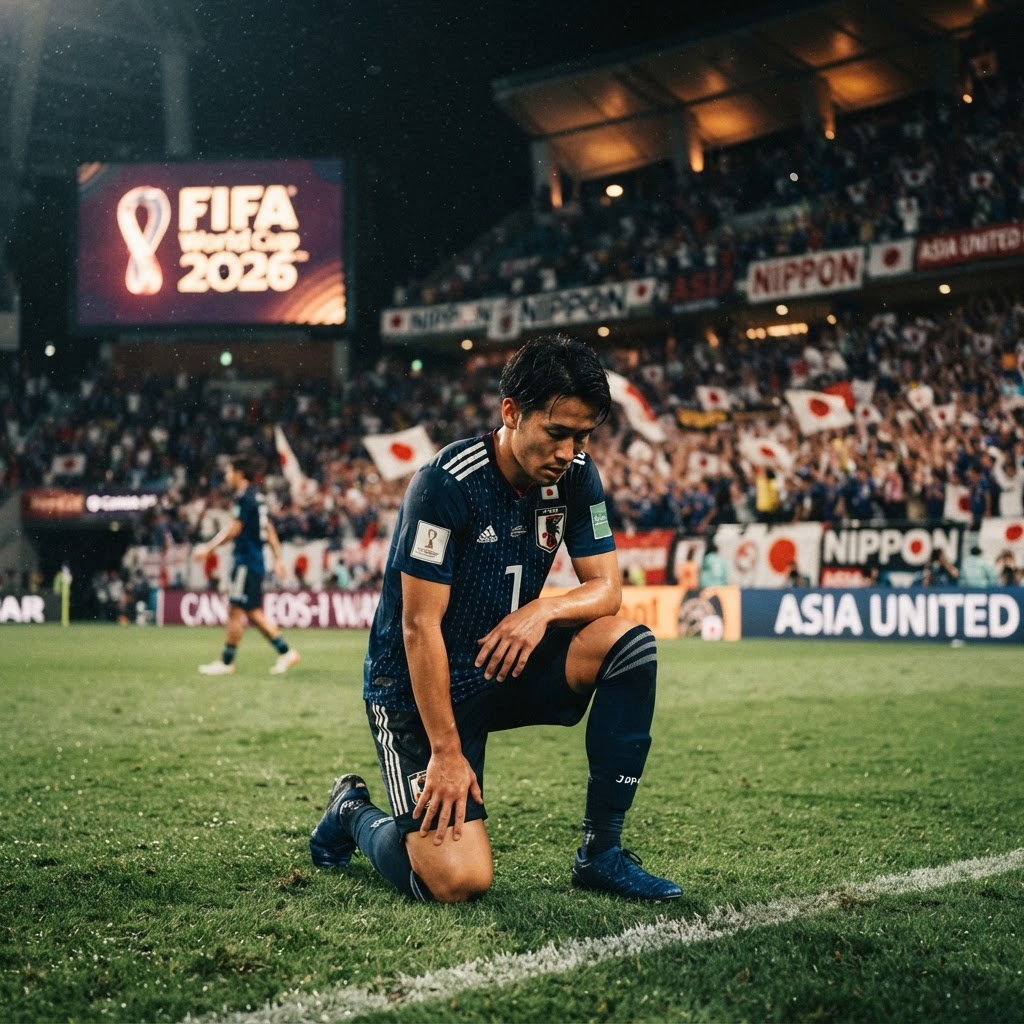
Reflecting on Asia's Performance at the 2026 FIFA World Cup
The 2026 FIFA World Cup saw a record nine Asian Football Confederation teams compete, yet the region struggled to maintain momentum as only two sides advanced past the group stage. This performance highlights the ongoing challenges for Asian football on the global stage despite the tournament's expansion.
As the 2026 FIFA World Cup in North America concludes, the football community is taking a moment to reflect on the performance of the Asian Football Confederation (AFC) nations. With the tournament expanding to 48 teams, a record nine Asian countries earned their place on the world stage, offering a historic opportunity for the region to demonstrate its growth and competitive spirit. However, the results have been sobering, prompting a necessary conversation about the development of the game across the continent. By the end of the group phase, only Australia and Japan remained in contention, with the broader AFC contingent securing only three victories across 27 matches. While the expansion was intended to provide greater inclusivity, the gap between Asia's top-tier programs and the rest of the world remains a significant hurdle. For instance, teams like South Korea and others faced stiff competition, with some results falling short of expectations against emerging nations. Analysts have pointed to the necessity of greater exposure to high-level, competitive environments. Jamal Sellami, coach of the Jordanian side, noted that for Asian football to achieve more consistent results, it is vital for players to compete in the world's most rigorous leagues, similar to the pathways often seen in African football. This perspective is shared by many who believe that talent development must be paired with tactical experience gained in Europe's top-flight competitions. Despite the disappointment, there are lessons to be learned. The tournament served as a vital experience for nations that are still building their infrastructure and tactical depth. As we look toward the future, including the 2027 Asian Cup in Saudi Arabia, the focus must shift toward long-term investment in player development and professionalization. Asian football possesses immense passion and potential; the challenge now lies in translating that energy into sustained success on the global stage. We must continue to support these athletes as they strive to bridge the gap and prove that the continent can stand toe-to-toe with the traditional powerhouses of the sport.
Verification Report
Peer ReviewedVerification Notes:[Peer-reviewed by Business Reporter] The article treats the 2026 World Cup as completed, but the tournament is scheduled for June–July 2026 and has not yet taken place as of this review; therefore its claimed AFC entrants, match totals, wins, and remaining teams cannot be confirmed. The cited links are dated June and July 2026, so they do not provide verifiable support at present, and the article also offers no attribution for its broader analysis or the purported Jamal Sellami remark. The original score of 65 is too high for an account whose central results are future events. | Original score: 65% → Peer score: 20% → Final: 43%
Sources & References
Discussion
Be the first to comment on this story.