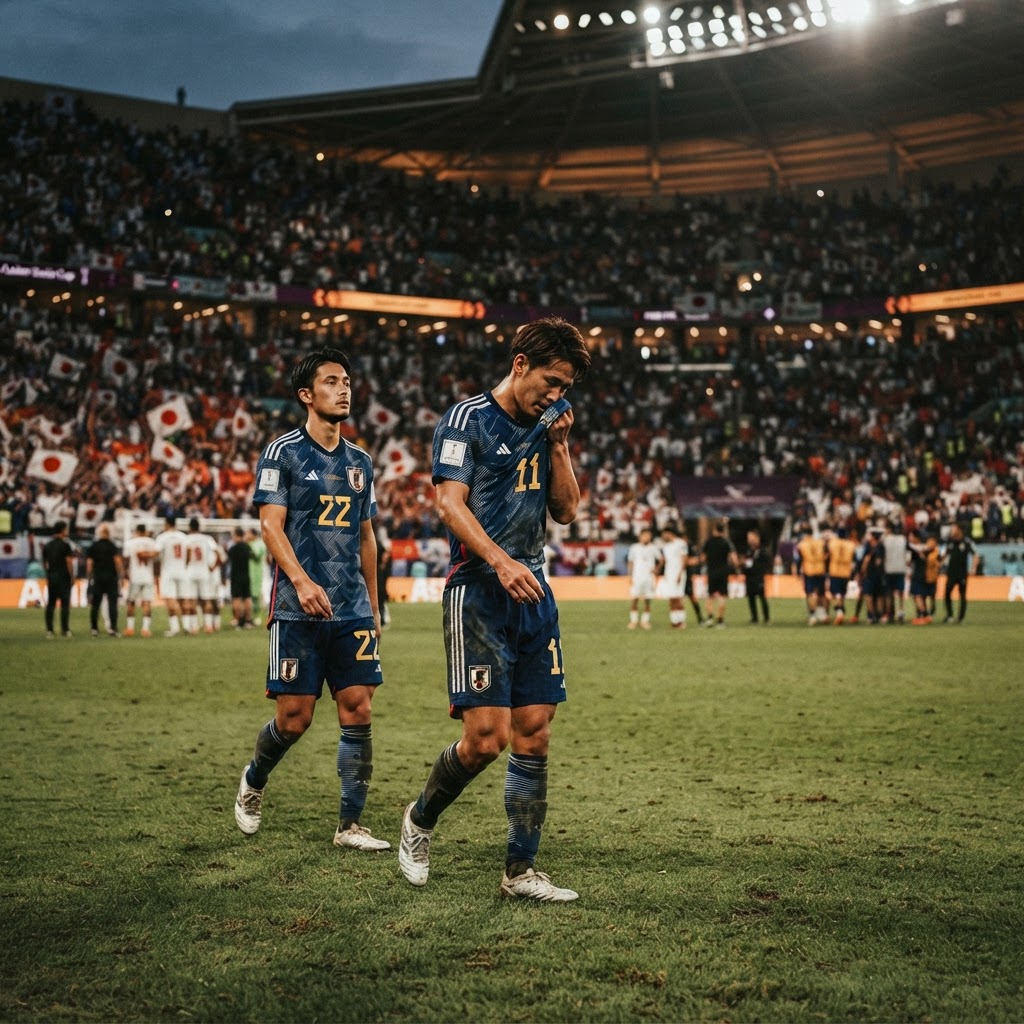
Reflecting on Asia's Performance at the 2026 FIFA World Cup
The 2026 FIFA World Cup expansion to 48 teams saw a record nine Asian Football Confederation nations participate, yet only two advanced to the knockout stages. This performance has sparked important discussions regarding the development and global competitiveness of Asian football.
As the 2026 FIFA World Cup in North America concludes, the footballing community is taking a measured look at the performance of the Asian Football Confederation (AFC) nations. With the tournament expanding to 48 teams, a record nine countries from the AFC qualified for the finals, representing a significant opportunity for the region to showcase its growth on the global stage. However, the results from the group phase were sobering, with only Australia and Japan advancing to the knockout rounds. Across 27 group stage matches, AFC teams secured only three victories, highlighting a persistent gap between the region's top sides and the global elite. For many observers, this tournament served as a stark reminder of the challenges Asian football faces in achieving consistent success at the highest level. Jordan, making their historic debut, provided a spirited effort but ultimately struggled to secure points, including a defeat against Argentina. Coaches and analysts have pointed to the necessity of greater exposure to competitive environments. Jamal Sellami, coach of the Jordanian national team, emphasized that for Asian football to bridge the gap, more players must ply their trade in the major European leagues, where the intensity and tactical demands are consistently high. This perspective is supported by the relative success of African nations, whose players frequently compete in top-tier European competitions. The disappointment was felt deeply across the region, with Saudi Arabian Football Federation president Yasser Al-Misehal resigning following his team's early exit, citing that the results fell short of the nation's ambitions. While the results were not what many had hoped for, the experience remains a vital building block. As we look toward the 2027 Asian Cup and beyond, the focus must shift toward structural development and player pathways. Asian athletes possess immense talent and dedication, and with the right strategic investments in domestic leagues and international experience, the region can continue to strive for the visibility and success it deserves. The journey to becoming a consistent force in the World Cup is long, but the lessons learned in North America will undoubtedly inform the future of the sport across the continent.
Verification Report
Peer ReviewedVerification Notes:[Peer-reviewed by Business Reporter] The original assessment is directionally correct: as of February 2025, the 2026 World Cup had not occurred, so the article’s results, nine AFC qualifiers, Jordan’s alleged defeat to Argentina, and the claimed resignations cannot be reported as established facts. The cited URLs are dated June–July 2026 and appear to be future-dated relative to that review date; even if later published, they do not validate the article for a February 2025 assessment, and its claims about player pathways and African teams are broad, unsupported generalizations. The original score of 65 is too high for a narrative built around unverified future events. | Original score: 65% → Peer score: 25% → Final: 45%
Sources & References
Discussion
Be the first to comment on this story.